Facelift Surgery
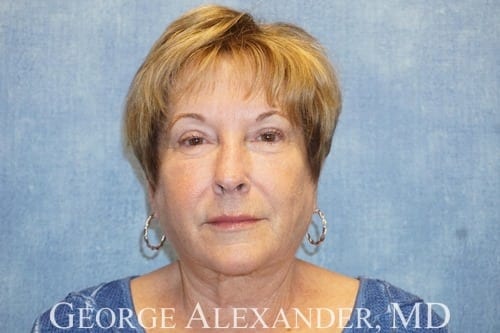
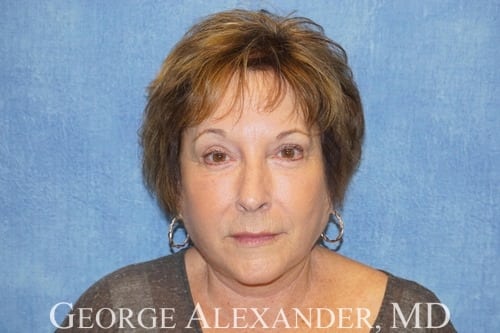
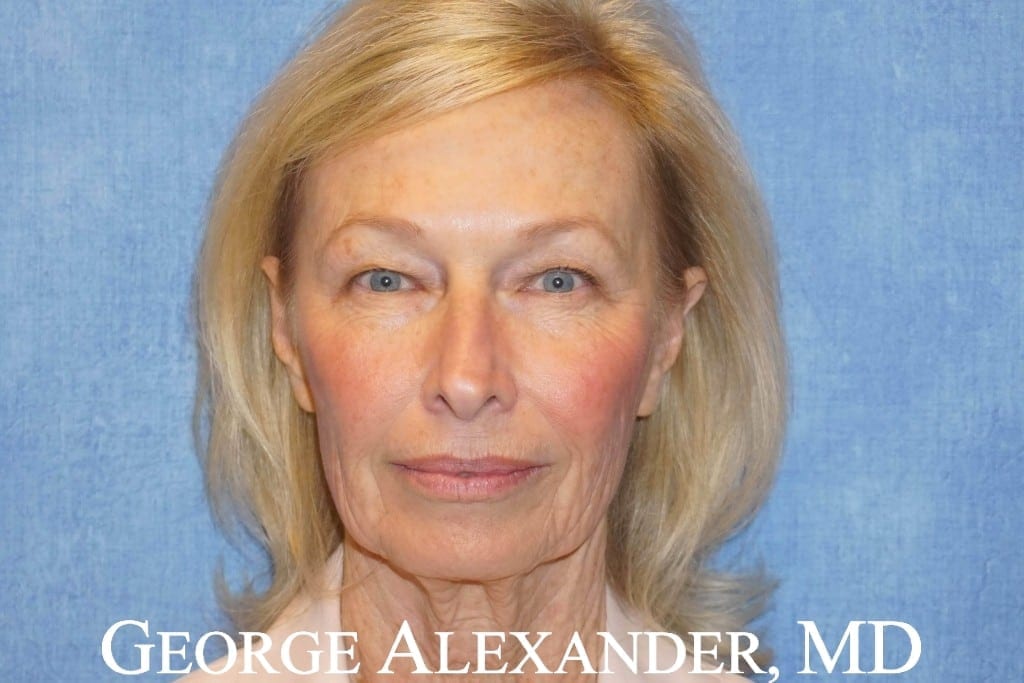
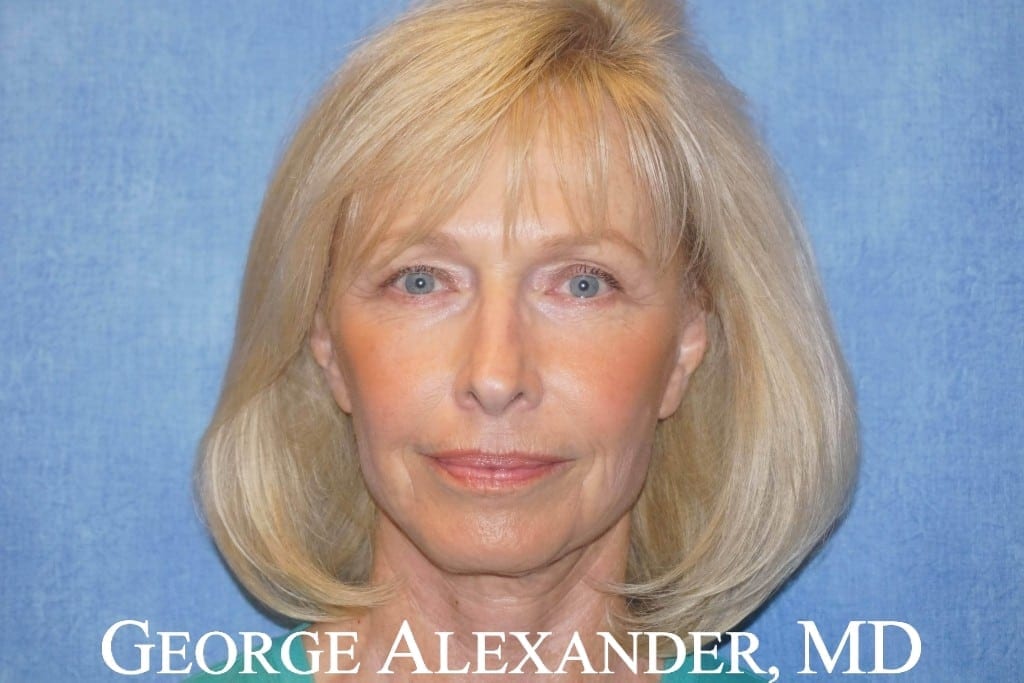
Maintaining a youthful facial appearance becomes increasingly difficult over time due to the natural aging process. As conditions like fine lines and wrinkles worsen with age, facial skin begins to sag and unwanted creases form. Facial rejuvenation creates a smoother appearance in the midface, lower face, neck, and jawline by removing and repositioning sagging skin and muscle tissue. Facelift surgery can effectively tighten sagging skin and diminish the appearance of wrinkles on the lower face and neck to restore a more youthful aesthetic.
Benefits of Facelift Surgery
Dr. Alexander’s “inconspicuous facelift” may improve the following: sagging cheeks, deep creases from the nose to the corners of the mouth, or “marionette lines”, loose skin in the lower face, displaced fat deposits in the neck and jowls
Facial rejuvenation procedures are highly individualized for each patient based on age and appearance. Dr. Alexander personally reviews your goals and uses his extensive expertise to tailor an individualized surgical plan just for you!
-
Look Younger
A facelift can help you look well-rested by eliminating the tired or worn out appearance that comes with years of aging. Facelift surgery can help you look years younger and may encourage you to put your best face forward at all times.
-
Natural Results
Facial rejuvenation enhances your natural facial appearance without leaving you looking “overdone.” People will be able to notice your new and refreshed look without knowing you’ve undergone a cosmetic procedure.
-
Improve Self-Esteem
Patients who believe they look older than they truly are will often feel dismayed and uncomfortable in their skin. A facelift creates a youthful and natural appearance, which can help you discover a renewed sense of self-esteem and confidence.
“From the moment I met Dr. Alexander, I felt very comfortable making my decision to have him perform my surgery. Today, weeks after my surgery, I am very happy with my decision and the results.”
“Walking into Dr. Alexander's office I was filled with anxiety and pain. I had been suffering for years and too afraid to do anything about it. When I met Dr. Alexander and his staff they helped me to feel more confident. The surgery went so much better than I could have ever hoped for. Dr. Alexander is truly a master at his craft. I highly recommend him!”
“It was an absolute pleasure being a patient of Dr. Alexander's. I felt like I was in good hands throughout my experience. The staff were all knowledgeable and genuinely very kind and caring. I am very happy with my results. Dr. Alexander was able to deliver exactly the aesthetic I was hoping to achieve.”
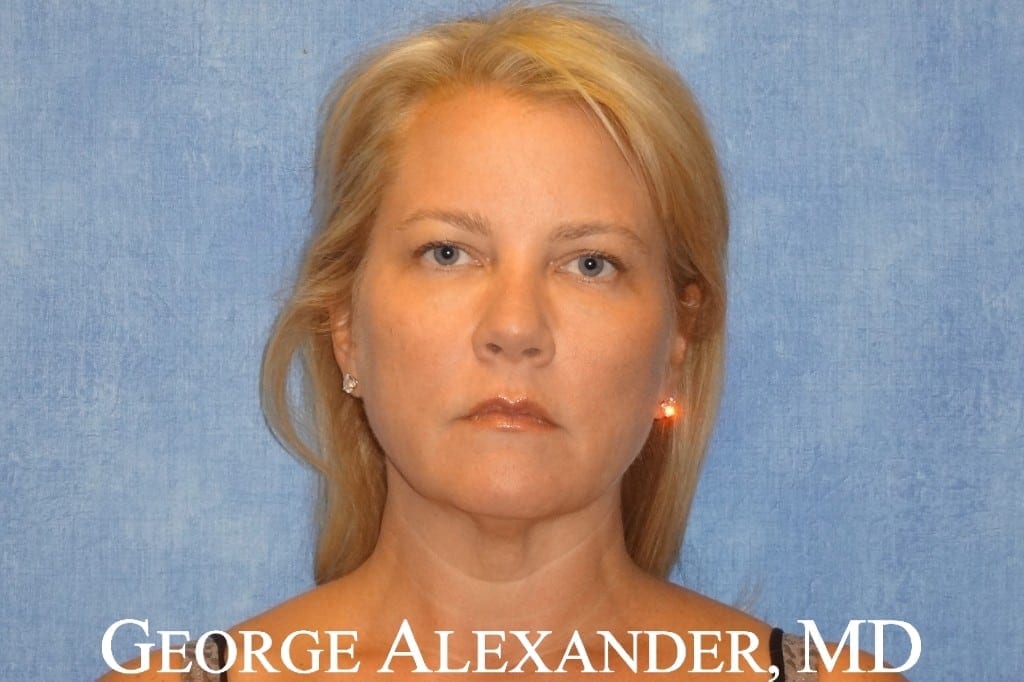
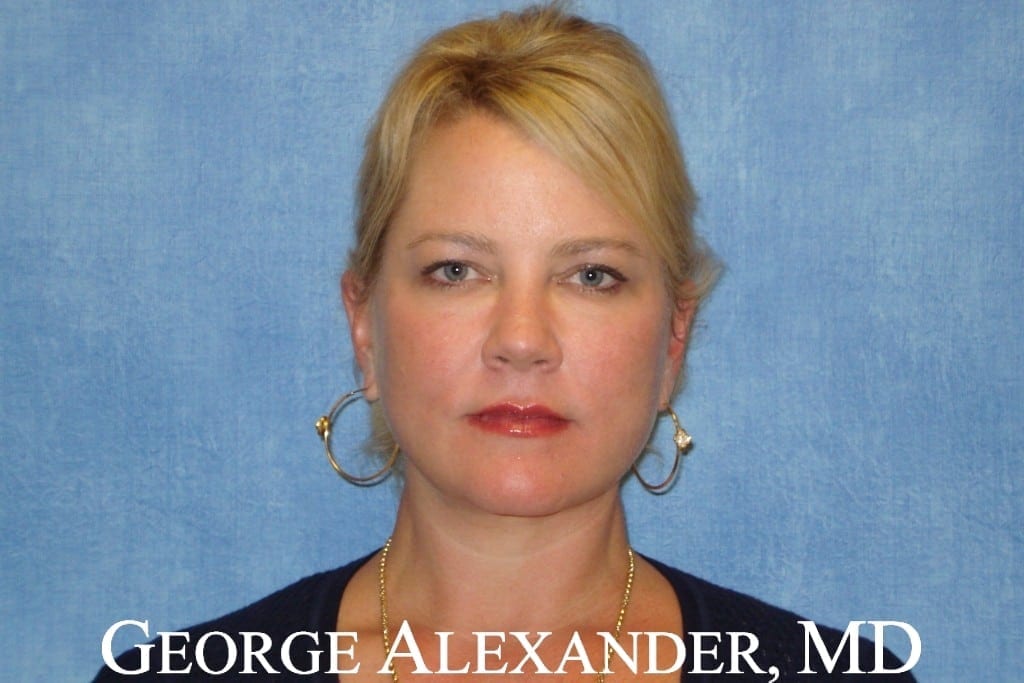
Concerns

Recovery
Immediately After
Medicated ointment is placed over the incisions, and the face and neck are wrapped in soft gauze to reduce swelling and bruising.
2 Weeks After
You will likely feel well enough to return to work, but strenuous exercise and physical activities should be avoided.
4 Weeks After
You will be free to resume light activities, and you will start to see the results of your “new look.”
1 to 2 Months After
Your results will continue to improve over the coming weeks and months

Scars
As with any surgery, there is a risk of visible scarring; however, the scars are placed in inconspicuous areas and tend to fade over time.

Cost
Over 20 years of experience and multiple board certifications make Dr. Alexander uniquely qualified to perform your surgery. The cost of facelift surgery depends greatly on the techniques used, anesthesia fees, and extent of surgical correction required. Dr. Alexander’s staff will be able to provide you with an exact cost following your facelift consultation.

Comfort
Patients experience less discomfort with long-lasting numbing medication that Dr. Alexander administers during surgery. Typically, initial discomfort lasts 48 hours and gradually decreases each day. Post-surgery pain can be managed with oral medication. Dr. Alexander will recommend the pain management medicine that is best suited for you.
FAQ
-
As the post-operative swelling goes down, you will see some improvement in your overall facial structure. The final results will become visible after a few months. You can expect your youthful appearance to be long lasting, but it will not last forever. Normal aging will resume, and genetics also have a lot to do with how you will look years down the road. Some patients benefit from further enhancement over time depending on skin type, environment, and hereditary factors.
-
Recovery time varies from patient to patient, but most patients can return to work a couple of weeks after facelift surgery. Many can resume normal activities after three to four weeks of recovery.
-
There is no set age for a facelift. Many patients today are having a facelift when early signs of aging appear. Further enhancement may be beneficial to maintain a gracefully aging appearance.
-
Complications after facelift surgery are uncommon. Some of the possible risks associated with any surgery include:
- Adverse reaction to anesthesia
- Hematoma
- Infection
- Scarring
- Numbness
- Unsatisfactory results
-
Yes. Smoking disrupts the healing process and can lead to post-op complications. If you really want to get the best results, stop smoking completely and stay smoke-free after surgery to heal as quickly and efficiently as possible.